Introduction to Pain Flare-Ups and Diet
Pain flare-ups can be a debilitating experience for individuals suffering from chronic pain conditions. These unpredictable episodes often leave people feeling helpless and unable to function daily. However, diet is one crucial aspect that can significantly impact the frequency and intensity of pain flare-ups. The foods we consume are vital to our overall health and well-being. By understanding how specific foods can trigger inflammation and exacerbate pain, individuals can make more informed decisions about their dietary choices. This article will explore the connection between inflammation and pain, identify common inflammatory foods, and provide helpful tips for managing pain through nutritional changes.
By learning about the top 10 foods to avoid for pain management, readers will gain valuable insights into making healthier choices that can reduce the occurrence and severity of pain flare-ups. The article will also discuss alternatives to inflammatory foods, anti-inflammatory foods to include, and the importance of maintaining a balanced diet.
The Connection Between Inflammation and Pain
Inflammation is a natural response of the body’s immune system to injury, infection, or irritation. While acute inflammation is a necessary and beneficial process for healing, chronic inflammation can lead to a wide range of health issues, including chronic pain. In fact, research has shown that inflammation is a significant factor in many types of pain, including arthritis, fibromyalgia, and migraines.
When the body is in constant inflammation, it can lead to a heightened sensitivity to pain. This is because inflammatory chemicals called cytokines are released, which can stimulate nerve cells and increase pain signals. Individuals can reduce inflammation levels and alleviate pain symptoms by identifying and avoiding common inflammatory foods.
Identifying Common Inflammatory Foods
Numerous foods are known to trigger inflammation and contribute to pain flare-ups. These inflammatory foods typically contain high levels of sugar, trans fats, or refined carbohydrates. Additionally, some individuals may be sensitive to specific ingredients or food additives, which can exacerbate inflammation and pain.
To better manage pain, becoming familiar with common inflammatory foods and identifying personal triggers is essential. By gradually eliminating these foods from one’s diet and monitoring the effects on pain levels, individuals can better understand how their food choices impact their pain experience.
Top 10 Foods to Avoid for Pain Management
- Sugar: Consuming high amounts of sugar can increase inflammation levels and contribute to pain flare-ups. Be cautious of added sugars in processed foods and natural sugars found in fruit juices and honey.
- Refined Carbohydrates: Foods such as white bread, pasta, and pastries made from refined grains can trigger inflammation and exacerbate pain symptoms.
- Trans Fats: These unhealthy fats can be found in fried foods, baked goods, and some kinds of margarine. Trans fats are known to contribute to inflammation and increase the risk of chronic pain.
- Processed Meats: Sausages, hot dogs, and deli meats often contain high levels of saturated fats, nitrates, and other additives that can trigger inflammation and pain.
- Alcohol: Excessive alcohol consumption can contribute to inflammation and hinder the body’s ability to manage pain effectively.
- Caffeine: While moderate caffeine intake may have some health benefits, excessive consumption can increase inflammation and pain sensitivity.
- Nightshade Vegetables: Some individuals may be sensitive to nightshade vegetables such as tomatoes, eggplant, and bell peppers, which can contribute to inflammation and pain flare-ups.
- Dairy Products: For some people, dairy products can cause inflammation and exacerbate pain symptoms due to lactose intolerance or sensitivity to casein, a protein found in milk.
- Artificial Sweeteners: Certain artificial sweeteners, such as aspartame and sucralose, may cause inflammation and increase pain sensitivity in some individuals.
- MSG (Monosodium Glutamate): This common food additive found in many processed foods can trigger inflammation and pain in some people.
Alternatives to Inflammatory Foods
Thankfully, there are numerous alternatives to inflammatory foods that can help individuals better manage their pain through diet. Here are some suggestions:
- Replace sugar with natural sweeteners like stevia or coconut sugar, which have a lower impact on inflammation.
- Opt for whole grain products instead of refined carbohydrates.
- Choose healthy fats like olive oil or avocado instead of trans fats.
- Select lean protein sources such as chicken, turkey, or fish instead of processed meats.
- Limit alcohol consumption or choose anti-inflammatory beverages like green tea.
- Monitor caffeine intake and consider reducing consumption if it exacerbates pain symptoms.
- Experiment with non-nightshade vegetables like leafy greens, broccoli, or cauliflower.
- Try non-dairy alternatives, like almond or coconut milk, if dairy products cause inflammation.
- Use natural sweeteners, like stevia or honey, instead of artificial sweeteners.
- Avoid processed foods containing MSG and opt for whole, unprocessed foods whenever possible.
Anti-Inflammatory Foods to Include in Your Diet
In addition to avoiding inflammatory foods, incorporating anti-inflammatory foods into your diet can help manage pain more effectively. Some examples of anti-inflammatory foods include:
- Fatty fish, such as salmon, mackerel, and sardines, are rich in omega-3 fatty acids.
- Nuts and seeds, like almonds, walnuts, and flaxseeds, also contain omega-3 fatty acids.
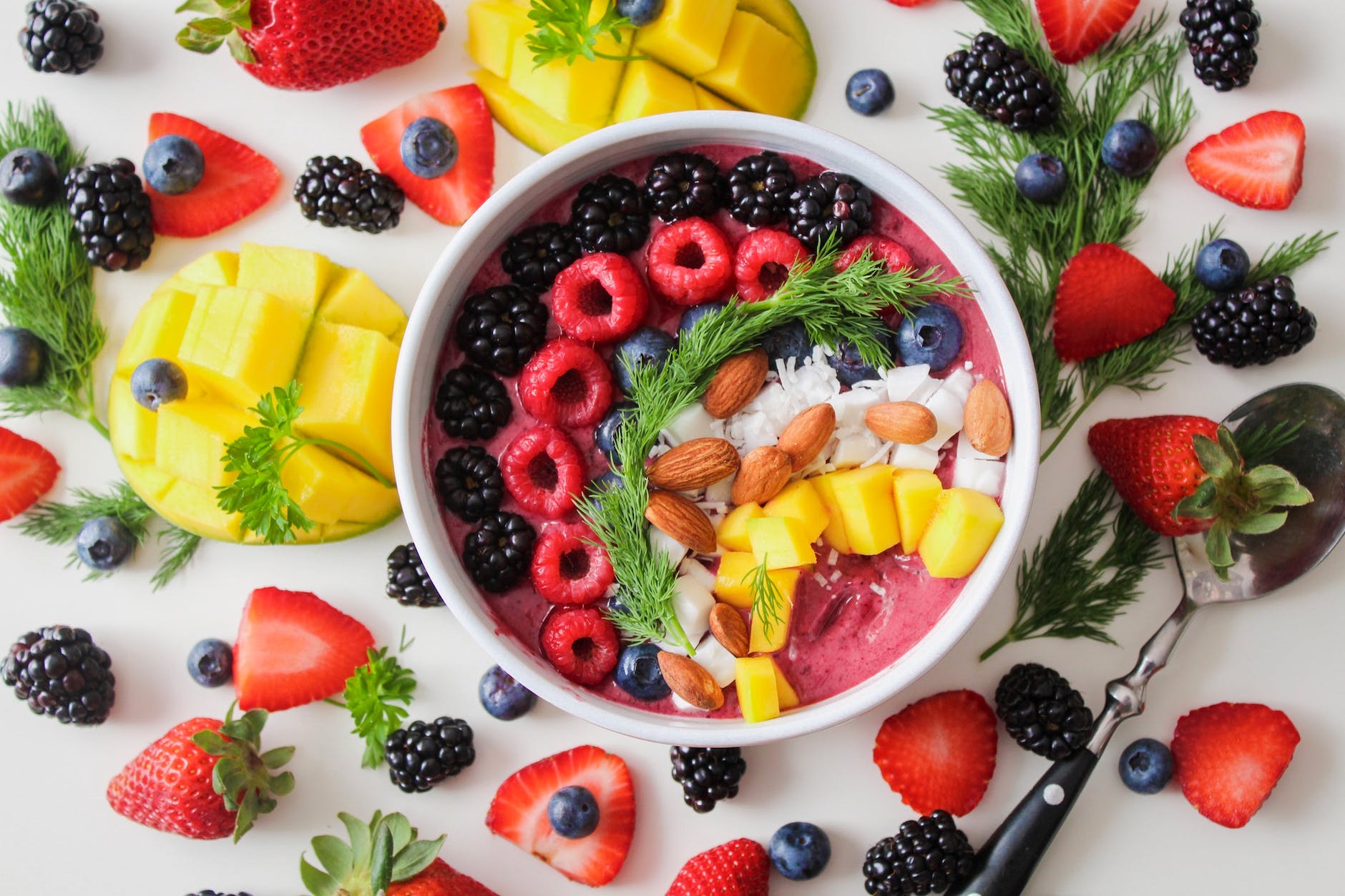
- Berries, such as strawberries, blueberries, and raspberries, are highly antioxidants.
- Leafy green vegetables, like spinach, kale, and collard greens, which contain anti-inflammatory nutrients.
- Olive oil, which is rich in healthy fats and anti-inflammatory compounds.
- Green tea, which contains antioxidants and has been shown to reduce inflammation.
- Turmeric and ginger, which have potent anti-inflammatory properties.
- Garlic and onions, which contain sulfur compounds that fight inflammation.
- Avocado, which is high in healthy fats and antioxidants.
- Dark chocolate is rich in antioxidants and can help reduce inflammation when consumed in moderation.
Tips for Managing Pain Through Dietary Changes
- Keep a food diary to track your food intake and monitor pain symptoms.
- Gradually eliminate inflammatory foods from your diet and observe any changes in pain levels.
- Incorporate more anti-inflammatory foods into your daily meals and snacks.
- Stay consistent with dietary changes and be patient, as it may take time to see improvements in pain symptoms.
- Consult with a healthcare professional or nutritionist for personalized guidance on managing pain through diet.
The Role of Hydration in Preventing Pain Flare-Ups
Proper hydration is essential for overall health and can also play a crucial role in managing pain. Dehydration can lead to increased inflammation, muscle cramps, and headaches, all of which can exacerbate pain symptoms. Be sure to drink plenty of water throughout the day, and consider adding electrolyte-rich beverages like coconut water or sports drinks if you’re prone to dehydration.
The Importance of Maintaining a Balanced Diet
While focusing on avoiding inflammatory foods and incorporating anti-inflammatory options is essential for pain management, it’s also crucial to maintain a balanced diet. Consuming various fruits, vegetables, whole grains, lean proteins, and healthy fats can help ensure your body receives the nutrients necessary for optimal health and pain management.
Conclusion and Final Thoughts on Managing Pain Through Diet
In conclusion, managing pain through diet can be effective for individuals suffering from chronic pain conditions. By understanding the connection between inflammation and pain, identifying common inflammatory foods, and making healthier dietary choices, individuals can reduce the frequency and intensity of pain flare-ups.
Incorporating anti-inflammatory foods and maintaining a balanced diet can help manage pain and improve overall health and well-being. While dietary changes may not eliminate pain entirely, they can undoubtedly significantly improve one’s quality of life.
Remember, always consult with a healthcare professional or nutritionist before making significant changes to your diet, especially if you have any underlying health conditions or concerns.


